How to Prevent Frozen Pipes in Your Denver Home
A warm September afternoon can make winter plumbing feel far away. In Denver, though, freezing weather can arrive quickly. The National Weather Service lists October 7 as Denver’s average first freeze date, and some years have seen freezing temperatures in September. That makes early fall a good time to check the pipes and outdoor faucets most exposed to cold.
You don’t need to overhaul your plumbing to reduce the risk. Start with the areas where cold air can reach water lines, make sure you know how to shut off the water, and have a plan if a pipe freezes.
Disconnect hoses and check outdoor faucets
Remove garden hoses before freezing nights. A hose left attached can trap water at the faucet, where it may freeze and damage the faucet or connected piping.
If your home has an indoor shutoff for an outdoor faucet, follow the faucet’s winterization instructions. Outdoor plumbing setups vary, so don’t assume every faucet needs the same steps. If a faucet leaks, won’t shut off fully, or appears damaged, have it checked before a hard freeze.
Look for pipes exposed to cold air
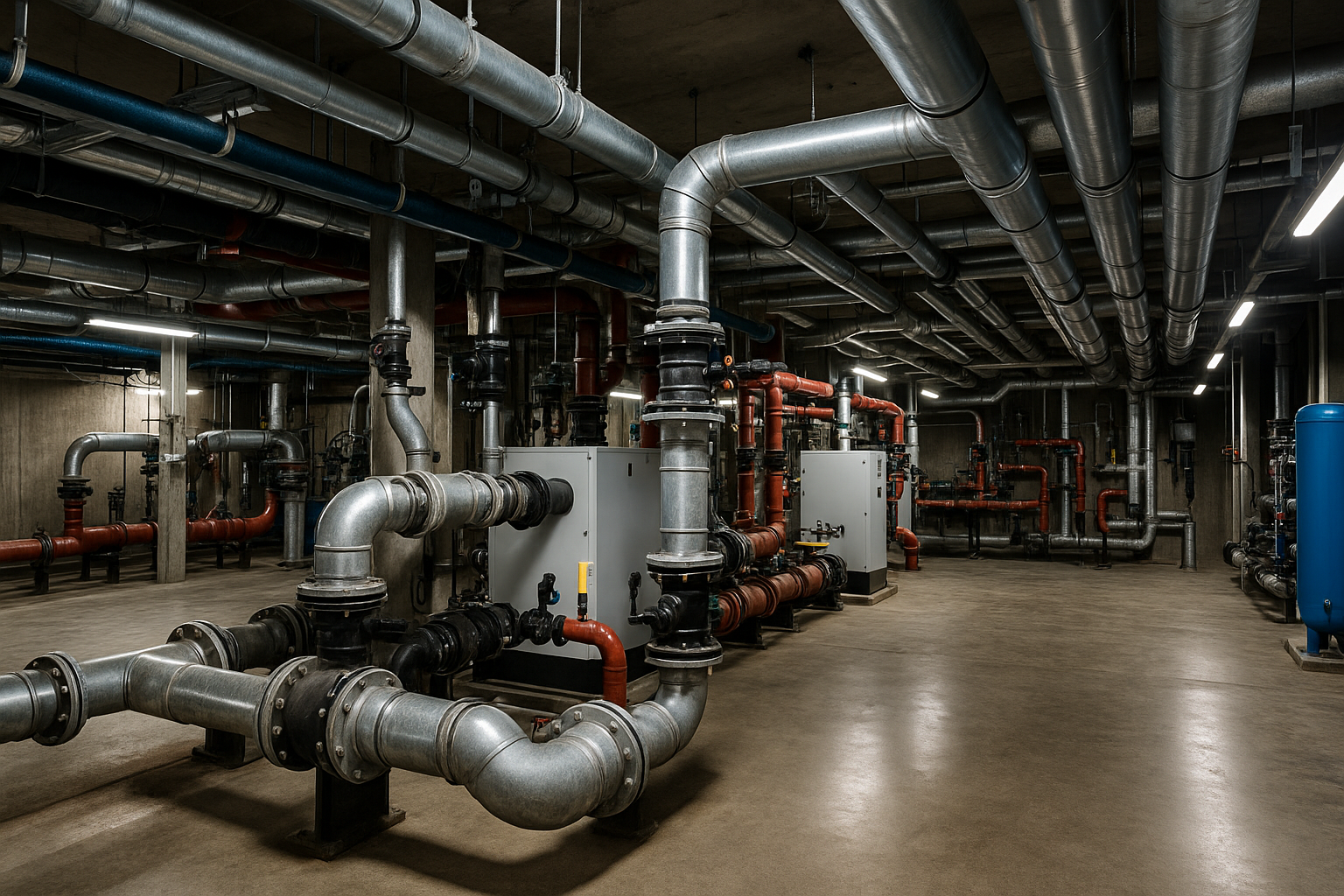
Check unfinished basements, crawl spaces, garages, and cabinets along exterior walls. Pay particular attention to pipes near drafts or unsealed openings. Pipe insulation can help, but it works best alongside keeping cold air away from the pipe.
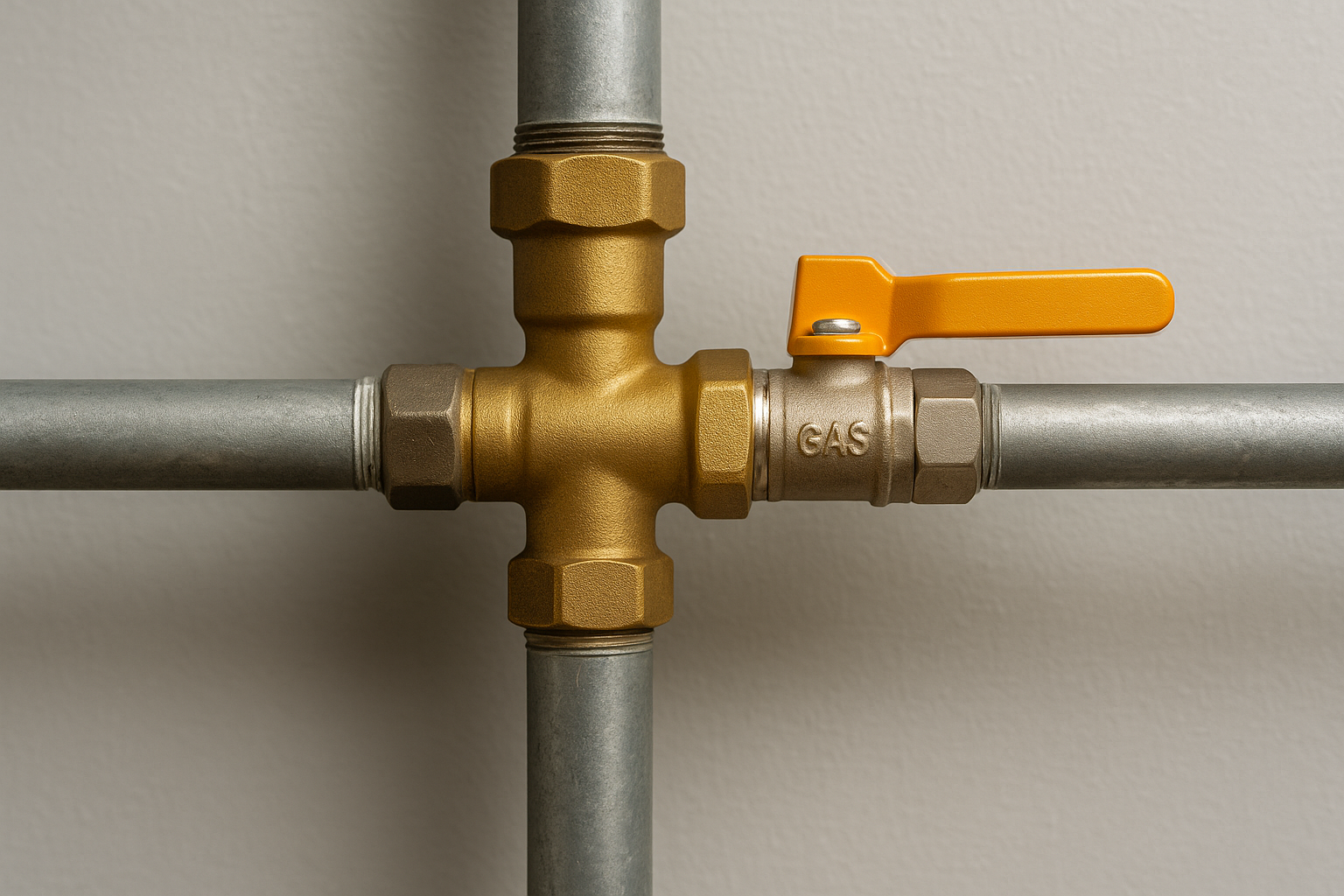
Know where your home’s main water shutoff valve is and confirm that you can access it. Finding it for the first time during a leak costs valuable time.
Keep the heat on when you’re away
If you leave town during cold weather, keep the home heated. Denver Water recommends setting the thermostat above 65°F when leaving a home or business for several days. Open cabinet doors where plumbing sits against a cold exterior wall so warmer room air can reach the pipes.
For pipes you know are vulnerable, Denver Water also suggests a very slow drip from a faucet during severe cold. This is a short-term precaution, not a substitute for addressing an exposed or poorly protected pipe.
What if a faucet stops running?
A sudden loss of flow during freezing weather may mean a pipe has frozen. First, check whether other fixtures have water. If only one area is affected, avoid forcing a valve or applying an open flame to the pipe.
Turn off the main water supply if you see a split pipe, water escaping, or signs of a leak. As a frozen pipe thaws, water can begin flowing through a crack that wasn’t obvious while the pipe was blocked by ice.
If you can’t locate the frozen section, can’t safely reach it, or suspect a leak inside a wall or ceiling, call a plumber. Kedron Plumbing provides leak detection and repair in the Denver area and 24/7 emergency plumbing service.
A short fall plumbing checklist
Before the next freeze:
- Disconnect hoses from outdoor faucets.
- Check garages, crawl spaces, basements, and exterior-wall cabinets for exposed pipes and drafts.
- Locate your main water shutoff valve.
- Make sure the heat will stay on while you’re away.
- Address existing drips or leaks before freezing weather makes them harder to manage.
A little preparation now can help you avoid an urgent repair later. If you’ve found an exposed line, a leaking outdoor faucet, or a pipe that froze last winter, contact Kedron Plumbing or call (720) 254-3154 to discuss the problem.
Sources: National Weather Service Denver freeze statistics and Denver Water cold-weather guidance.