You hear the toilet refill, but nobody has used it. A few minutes later, it happens again. That stop-and-start sound is often called “ghost flushing,” and it usually means the tank is losing water and refilling to replace it.
For Denver homeowners, the next step is to identify the symptom before buying parts. A toilet that refills occasionally is not necessarily having the same problem as one that runs continuously. Neither automatically means you need a new toilet.
What causes a toilet to refill by itself?
In a conventional tank toilet, a flapper or another flush-valve seal holds water in the tank between flushes. If that seal does not close properly, water can escape into the bowl. The fill valve then replenishes the tank, even though nobody has touched the handle.
Worn flappers are a common cause of toilet leaks, according to EPA WaterSense’s toilet guidance. Debris at the sealing surface or a problem with the refill tube can also be worth checking; Fluidmaster includes these in its guide to toilets making refill sounds on their own.
The sound tells you something is happening, but it does not identify the failed part by itself. Note whether the toilet runs continuously, starts periodically, or stops only after you move the handle. That distinction helps a plumber narrow the diagnosis.
Try a simple tank-to-bowl leak test
For a standard gravity-fed toilet with accessible tank water:
- Let the tank finish filling. Carefully remove the lid and put it somewhere stable.
- Add a few drops of food coloring to the tank water, not the bowl.
- Wait 10 minutes without flushing.
- Look for color in the bowl. If it appears, water is passing from the tank into the bowl.
- Flush immediately after the test to help prevent staining.
This is the EPA’s recommended toilet leak check. It confirms a leak path, not which replacement part to buy. If no color appears but the refilling continues, the problem still deserves attention.
If your toilet has a sealed pressure-assist unit or unfamiliar equipment inside the tank, skip this test and follow the manufacturer’s instructions. Do not open or dismantle a pressurized assembly.
What to do while you arrange a repair
If the toilet is wasting water, you can isolate it using its fixture shutoff valve, usually near the wall or floor behind the toilet, provided that valve operates normally. Do not force a stuck or heavily corroded valve. If it starts leaking when touched, stop and call a plumber. With the supply off, the tank will not refill normally.
Before calling, take a photo inside the tank and note the toilet’s brand and model number if visible. Mention any recent part replacement. This gives the plumber more useful information than “the toilet is noisy.”
A tank-to-bowl leak is different from water escaping onto the bathroom floor. If you see active flooding, a cracked tank, or water reaching nearby electrical equipment, keep clear of electrical hazards and seek urgent help. Kedron’s emergency plumbing service is the appropriate route for an uncontrolled leak.
Could this explain a higher Denver water bill?
It could, but a higher bill alone does not prove the toilet is responsible. Compare water consumption as well as the dollar amount, and consider changes in irrigation, occupancy, or other water use. Denver Water identifies toilets as a common source of household leaks.
Keep the repair invoice. As checked on September 18, 2026, customers billed directly by Denver Water may qualify for a leak adjustment after a repair. Its published rules require proof of repair and an application within 12 months. Approval is not automatic; review the current leak-adjustment requirements. If another utility bills your property, check with that provider instead.
If the toilet is repaired but unexplained water use continues, a broader check may be needed. Kedron’s leak detection and repair service can help address that separate concern.
Repair the parts or replace the toilet?
Start with a diagnosis, not a replacement purchase. A sound toilet with a leaking flapper may need a compatible replacement part rather than a whole new fixture. A cracked fixture or a toilet with several recurring problems warrants a different discussion.
Ask for a quote that identifies the cause, the proposed repair, and whether anything else needs attention. Do not assume every replacement kit fits every toilet. If replacement makes more sense, compare the total installed cost and the new toilet’s fit and performance—not just its shelf price.
Get help with a running toilet in Denver
If your toilet keeps refilling, runs continuously, or still leaks after a part replacement, contact Kedron Plumbing or call (720) 254-3154. Tell us what you hear, whether the dye test showed a leak, and whether any water is reaching the floor. We can discuss the next step for your Denver-area home.
Leave a Comment
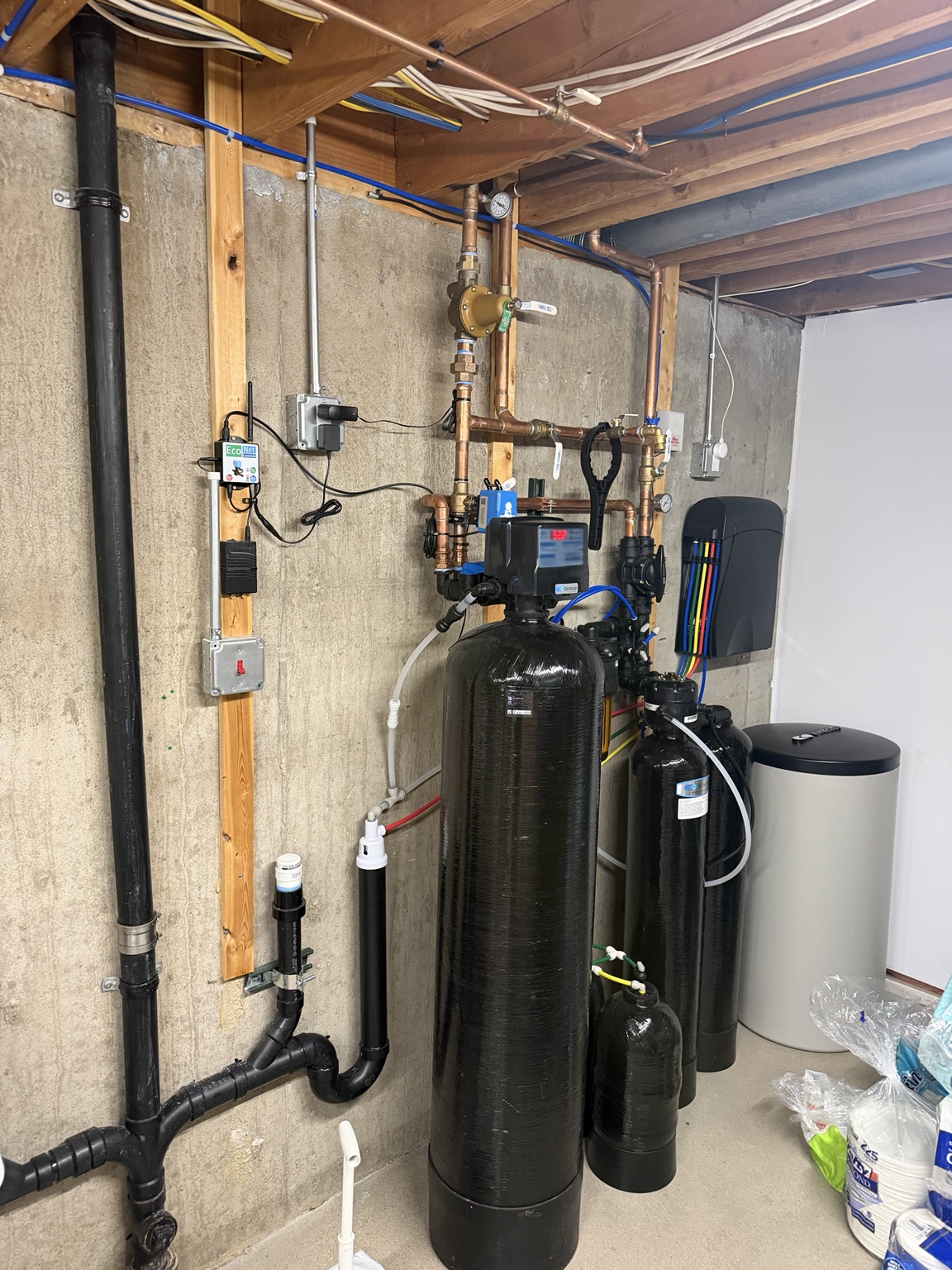
The right water treatment system starts with understanding your water—and a plumbing layout that makes the equipment practical to use and maintain.